
Welcome
Award-Winning Cultural Architect Building Cultures of Excellence
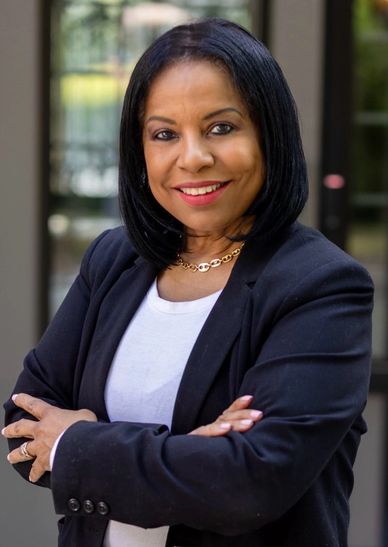
Brenda Torres-Wells, M.Ed., CTRS, CDP, CADDCT, TTAP-CT,
is an award-winning Cultural Architect, dementia educator, healthcare consultant, speaker, and founder of Memory Care Consulting LLC. With more than 30 years of executive leadership across the continuum of aging services, Brenda has dedicated her career to transforming the culture of dementia care through education, innovation, and person-centered practices.
As an award-winning Cultural Architect, Brenda partners with senior living organizations, healthcare professionals, caregivers, and community leaders to build environments where individuals living with dementia can thrive. Her work extends beyond designing engaging programs—she helps organizations create sustainable cultures of compassion, purpose, inclusion, and excellence through staff education, leadership development, evidence-based training, and meaningful engagement.
Rooted in New York City's culturally diverse environment and strengthened by a Master of Education in Health & Wellness Education, Brenda combines graduate-level expertise in adult learning, curriculum development, instructional design, and program evaluation with decades of clinical, operational, and executive leadership. She is the founder of Memory Care Consulting LLC, an Alzheimer's Association Community Educator, an NCCDP-certified dementia trainer, and the creator of the TechnoHealer® Program, an innovative, technology-supported model that enhances meaningful engagement and quality of life for individuals living with cognitive change.
Throughout her career, Brenda has been recognized for innovative leadership and culture transformation, earning honors including the McKnight's Best Long-Term Care Team Award, LeadingAge Innovation recognition, and other professional distinctions that reflect her commitment to advancing person-centered dementia care. Today, she continues to inspire healthcare professionals, organizations, and caregivers to elevate dementia care through education, innovation, and compassionate leadership.
Brenda's mission is to build cultures where every person living with dementia is treated with dignity, every caregiver feels supported, and every healthcare professional is empowered through knowledge, purpose, and lifelong learning.
Alzheimer’s Association Community Education Specialist (Volunteer)

Role & Community Impact
- Raises awareness of Alzheimer’s Association programs, resources, and services within diverse communities.
- Represents the Alzheimer’s Association at in-person and virtual community events, including neighborhoods, rural counties, businesses, civic organizations, and faith-based communities.
- Delivers “Introduction to Alzheimer’s” educational presentations for community groups, congregations, civic organizations, sororities, fraternities, clubs, and other local organizations.
- Promotes caregiver support groups, educational programs, Alzheimer’s & Brain Awareness Month, Walk to End Alzheimer’s®, and The Longest Day® through community outreach, local partnerships, bulletin boards, social media, and on-site displays.
- Expands the Association’s reach by connecting new community organizations to Alzheimer’s Association services, programs, and volunteer opportunities.
Support Group Facilitator & Mentor
- Facilitates and mentors within caregiver and dementia support groups.
- Creates and maintains a safe, compassionate, and supportive environment for caregivers and individuals living with dementia.
- Encourages peer support, emotional expression, education, and resource sharing to strengthen caregiver resilience and well-being.
Alzheimer's Association | Alzheimer's Disease & Dementia Help
Educational Workshops & Conference Presentations
Educational Workshops & Conference Presentations

Educational Workshops & Conference Presentations A Vision Rooted in Community, Purpose, and Innovation
Brenda Torres-Wells deeply values community and is known for her compassionate ability to listen with sensitivity to the needs and concerns of others. This foundation of empathy shaped her journey as both an advocate and a healer, and ultimately inspired the creation of TechnoHealer®—a platform born from her passion to create meaningful results and expand what is possible in therapeutic engagement.
“I value what I do and who I serve by providing programs that promote cognitive, social, emotional, physical, and spiritual stimulation. More importantly, I am committed to exploring new creative ways of maintaining or maximizing each person’s optimal level of functioning.”
— Brenda Torres-Wells
Driven by purpose and vision, Brenda believes:
“True purpose has no limits, but it requires a determined visionary to see it through.”
As a forward-thinking visionary, Brenda consistently thinks outside the box, contributing innovative and effective creative healing methods for seniors, youth, and individuals with special needs. Her impact extends across workshops, conferences, colleges, universities, and healthcare organizations nationwide, where she shares evidence-based practices, education, and inspiration.
In addition to her hands-on clinical and educational work, Brenda is also the author of:
Transitioning Your Aging Parent: A 5-Step Guide Through Crisis & Change
A practical and compassionate resource designed to support families navigating the complex emotional and logistical challenges of caregiving and life transitions.
TTAP Program Design Specialist
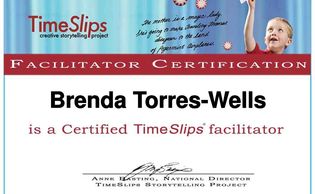
Certified TimeSlips® Creative Expression Facilitator
Educational Workshops & Conference Presentations

Therapeutic Thematic Arts Programming (TTAP) Integration
Brenda Torres-Wells incorporates the Therapeutic Thematic Arts Programming (TTAP) method into select program and event development projects to create immersive, multi-sensory therapeutic experiences. She became TTAP-certified alongside an elite cohort of approximately 17 Recreation Therapy professionals through the Center for Nursing & Rehabilitation (CNR) and CenterLight Health Systems in New York.
TTAP serves as a cornerstone in Brenda’s creative programming philosophy—blending artistic expression, sensory engagement, environmental design, and therapeutic intent to elevate person-centered care.
“When I create a themed program, I take pride in developing far more than an experience. I intentionally weave TTAP with sensory elements, food, photography, music, and custom décor to promote cognitive stimulation and foster meaningful, socially engaging moments for my clients.”
— Brenda Torres-Wells
Through this approach, Brenda’s programs support cognitive activation, emotional connection, social interaction, and enhanced quality of life across memory care, senior living, and community-based settings.
TTAP Therapeutic Thematic Arts Programming Method
The TTAP Method systematizes through a themed centered approach the therapeutic use of music, guided imagery, painting, movement, sculpture, writing and poetry, photography, themed events, food and sensory programs. Research on the TTAP Method® has been published in 3 peer reviewed journals, demonstrating significant positive correlations to increase in cognition, social stimulation and enhance overall quality of life in individuals diagnosed with mild, moderate and advanced stages of Alzheimer’s disease.
Dr.Linda Levine Madori PhD
Stimulating the brains' potential using the TTAP Method.
For the past thirty years Linda Levine Madori, PhD, has worked in the field of Health Care as a therapist, teacher, advisor, researcher, supervisor and innovator of new psychological approach to art, brain and cogniton with regard to well aging and specifically those afflicted with Alzheimer’s disease. The TTAP Method is a twelve step approach to structuring the use of the creative arts in therapy.
The Latest Research Articles
TechnoHealer® Adaptive Technology Programming
Certified TimeSlips® Creative Expression Facilitator
Certified TimeSlips® Creative Expression Facilitator

TechnoHealer® – Innovative Therapeutic Technology by Brenda Torres-Wells
TechnoHealer® represents the pioneering therapeutic services of Brenda Torres-Wells, utilizing creative, adaptive, and technology-enhanced approaches to serve older adults living with dementia and Alzheimer’s disease, as well as youth and individuals with physical challenges. Through expert teaching, professional training, program modification, and the custom design of interactive digital experiences, TechnoHealer® delivers highly personalized and meaningful engagement.
Brenda specializes in coordinating mobile computer and virtual engagement units for room-bound residents, integrating wireless adaptive equipment, specialized applications, and immersive technologies to create individualized therapeutic experiences. These interventions have gained recognition as evidence-based therapeutic approaches, proven to support cognitive stimulation, emotional connection, social engagement, and overall well-being.
Her commitment to excellence in health, education, and therapeutic innovation is widely respected across the senior care and rehabilitation fields. Guided by a vision to remain at the forefront of emerging trends, Brenda continues to design and implement successful therapeutic programs that foster cognitive, physical, spiritual, emotional, and social enrichment. Her ultimate mission is to elevate dignity, purpose, and Quality of Life for every individual she serves.
Certified TimeSlips® Creative Expression Facilitator
Certified TimeSlips® Creative Expression Facilitator
Certified TimeSlips® Creative Expression Facilitator
About
TimeSlips®: Transforming Aging Through Creative Connection
TimeSlips® offers an elegantly simple yet powerful revolution in elder care by infusing creativity into care relationships and systems. In a society that too often denies aging and isolates older adults, TimeSlips® restores hope, dignity, and emotional well-being through imagination, storytelling, and meaningful human connection.
Founded in 1998 and becoming an independent nonprofit organization in 2013, TimeSlips® is headquartered in Milwaukee, Wisconsin and now reaches a global community of creative facilitators across 42 U.S. states and 12 countries. Its innovative creative engagement methods are implemented in a wide range of settings, including:
- Long-term care and memory care communities
- Museums and cultural institutions
- Libraries and educational spaces
- Senior centers and community organizations
- Private homes and individualized care settings
TimeSlips® is recognized as an evidence-based, award-winning, joyful, and person-centered approach to enriching the lives of older adults, particularly those living with dementia. Through creativity, it strengthens relationships, enhances communication, and promotes emotional expression and quality of life.
Creativity changes everything — and you can be part of the movement.
Streaming Videos
Honors & National Recognition
Honors & National Recognition
Honors & National Recognition

National & Organizational Honors
2011 – National Recognition for Excellence in Team Leadership
Winner of the “Best Long-Term Care Team in the Nation” Award for the Center for Nursing & Rehabilitation (CNR) through a nationally recognized essay submission highlighting outstanding interdisciplinary collaboration and resident-centered innovation.
2012 – National AMDA Award for Clinical Innovation
Led an interdisciplinary initiative that earned the National AMDA “Successful Fall Reduction Initiative” Award, demonstrating a comprehensive, evidence-based approach to improving resident safety and reducing fall risks through coordinated therapeutic, nursing, and medical collaboration.
2013 – LeadingAge National Innovation Award
Recipient of the “Innovation 2013 LeadingAge Award” for a groundbreaking non-pharmacological, collaborative Recreation Therapy and Psychology initiative that successfully reduced psychotropic medication use through emotional shifting, technology-based interventions, and therapeutic engagement for residents experiencing depression and anxiety.
2015 – “Innovator of the Year” – Presby’s Inspired Life
Honored as “Innovator of the Year” for outstanding contributions in program design, creative therapeutic advancement, and leadership in senior care innovation.
About Us

About the Certified Therapeutic Recreation Specialist (CTRS®)
What Is a CTRS®? – The Qualified Provider of Recreational Therapy
A Certified Therapeutic Recreation Specialist® (CTRS) is a highly qualified healthcare professional who provides recreational therapy services to individuals across the lifespan. CTRSs are certified practitioners who have demonstrated professional competence by completing an approved course of academic study, acquiring a specialized body of knowledge, and successfully passing the National Council for Therapeutic Recreation Certification (NCTRC)® examination.
Guided by an established scope of practice grounded in theory, evidence-based methodology, and clinical application, the CTRS addresses a wide range of disabling conditions, illnesses, and functional limitations. In practice, CTRSs apply a critical set of clinical competencies, assessment skills, and therapeutic interventions to support the whole person, while also addressing the life factors associated with a specific disability or medical condition.
The CTRS is an integral member of the interdisciplinary healthcare team, working collaboratively with physicians, nurses, psychologists, social workers, rehabilitation specialists, and other allied health professionals. Through this team-based approach, CTRSs make significant contributions to the effectiveness, efficiency, and overall outcomes of patient care and therapeutic services.
The CTRS credential is the unifying professional designation for recreational therapists worldwide, recognized throughout the United States, Canada, and more than 15 other countries. There are approximately 16,000 Certified Therapeutic Recreation Specialists listed in the NCTRC Registry, holding active, inactive, or re-entry eligible status.

The Profession of Therapeutic Recreation
The field of Therapeutic Recreation (Recreational Therapy) has experienced remarkable growth and professional advancement over the past two decades. The Certified Therapeutic Recreation Specialist® (CTRS) credential has emerged as the gold standard of professional excellence, representing each practitioner’s commitment to quality care, ethical practice, and evidence-based intervention.
According to the United States Department of Labor, there are more than 19,000 recreational therapists practicing in the United States today. Of these professionals, over 16,000 hold active, inactive, or re-entry eligible status through the National Council for Therapeutic Recreation Certification (NCTRC). The CTRS credential remains the most advanced and widely recognized professional credential in the field of therapeutic recreation.
The Department of Labor further projects that the profession will experience its fastest growth in areas addressing the healthcare needs of older adults. As demand increases across acute care hospitals, outpatient facilities, day treatment programs, long-term care communities, and community-based living environments, the growing number of certified practitioners continues to strengthen the profession’s credibility and visibility. This expansion reinforces the critical role CTRSs play within today’s healthcare and human services systems.
The profession has benefited greatly from the credentialing standards, research initiatives, and ongoing job analysis conducted by NCTRC. The National Job Analysis provides the most accurate and current research on the skills, competencies, and knowledge required for effective and ethical practice. As an international leader in credentialing, NCTRC has elevated the profession’s profile among healthcare providers, human service agencies, funding organizations, and advocacy groups worldwide.
As a result, the individual CTRS practitioner holds a respected and increasingly influential position within the healthcare and human services arena, supported by the strength of the professional credential and the continued leadership of NCTRC.
United Nations Well-Being Network Member (UNSRC SALUS)
United Nations Affiliation & Global Well-Being Advocacy
Brenda Torres-Wells is a proud member of the UNSRC SALUS – United Nations Staff Recreation Council Well-Being Network, a global initiative dedicated to advancing health, wellness, peace, and human connection across cultures and communities.
Through the UNSRC Well-Being Network, expert panelists and global thought leaders are invited to share their contributions to the world, while members collaborate, network, and cultivate initiatives that promote world peace, social change, and collective well-being.
This affiliation reflects Brenda’s commitment to global advocacy, humanitarian service, and cross-cultural wellness leadership, extending her impact beyond local and national communities to the international stage.
Photo captured at the United Nations Meditation Room for Peace.
Discover a Healthier You with Memory Care Consulting LLC
“Interview with Brenda Torres-Wells” With Eleanor Feldman-Barbera, PhD

Interview with Brenda Torres, Certified Therapeutic Recreation Therapist
Originally published by Dr. El on My Better Nursing Home – April 13, 2009 | Categories: Business Strategies, Customer Service, Resident Education / Support Groups, Something Good About Nursing Homes, Technology
At the Center for Nursing and Rehabilitation (CNR) in Brooklyn, New York, Recreation Director Brenda Torres has established computer stations with Internet connection in all the “neighborhoods,” as they call their units, and has several groups currently being run by the residents themselves. I believe both of these steps are essential for the emotional health of residents, but as they are all too rare in nursing homes, I asked Brenda if she’d share with us how she managed these accomplishments. She graciously agreed, and what follows is my interview with one of the most talented, dynamic, and creative people in the field.
How long have you been a recreation therapist and why did you choose to work in nursing homes?
I’ve been in Recreation over 19 years. I was a psych major and had been gifted in the arts, and when I started working in adult day care, I was able to use my art and my psych background, as well as an exercise component. I work with both young and old folks through the intergenerational program at CNR. I don’t focus on age, I focus on abilities.
You’re a big advocate of the use of technology with the residents. What do you see as the benefits and how did you go about getting the administrative support and financial backing for this?
Walking through the nursing home halls, I noticed there were a lot of bed-bound residents, and I wished there was a way to get the activities to the residents because they couldn’t get out to the unit. I had a vision of having a mobile computer unit, so I started Googling it. At the time, they only had a unit that was used for hospital paperwork, so I started to research adaptive devices. Using testimony about the need, photos, and cost estimates, I submitted a funding request. Two and a half years later, funding came through the CNR community advisory board.
Some of your residents run their own groups. Do you think this has been beneficial for the residents and group leaders?
Currently I have a poetry group, a Bible group, a collage art group, and a crochet group run by the residents. The President of the Resident Council is in charge of games. One of the main benefits of resident-led groups is empowerment. It gives self-worth, a sense of community, and purpose.
How would you suggest a resident who wanted to start a group go about doing this?
Before you start a group, look at the needs and skills of the residents and assess the skills of the potential leader. Leisure should not be work; it should be fulfillment of purpose. It takes time to nurture leadership and remove barriers.
What kind of practical support do you offer?
We help with supplies, transportation, staff support, and recruitment until the group becomes self-sustaining.
Are there any changes you would like to see in long-term care?
Long-term care must evolve with society, technology, and the aging baby-boomer generation so that it becomes a positive and dignified choice for the future.
This interview was originally published on My Better Nursing Home by Dr. Eleanor Feldman Barbera, PhD on April 13, 2009. Reproduced here for archival and professional portfolio purposes with full credit to the original source.
Resources for Building Long-Term Care Where Everyone Thrives
Resources for Building Long-Term Care Where Everyone Thrives
Eleanor Feldman Barbera, PhD, widely known as Dr. El, is an accomplished speaker, consultant, and psychologist with over 20 years of experience in long-term care. She is the award-winning author of The Savvy Resident’s Guide and the respected voice behind McKnight’s LTC News column, The World According to Dr. El. Dr. El writes extensively on mental health issues in long-term care and is recognized for her ability to blend clinical expertise, business insight, and practical application with humor and pragmatism to deliver meaningful, effective solutions that improve both quality of care and operational outcomes.
Through education, consultation, and advocacy, Dr. El teaches professionals how to create long-term care environments where EVERYONE thrives—residents, families, and care teams alike.
Click for book information here: The Savvy Resident's Guide


